
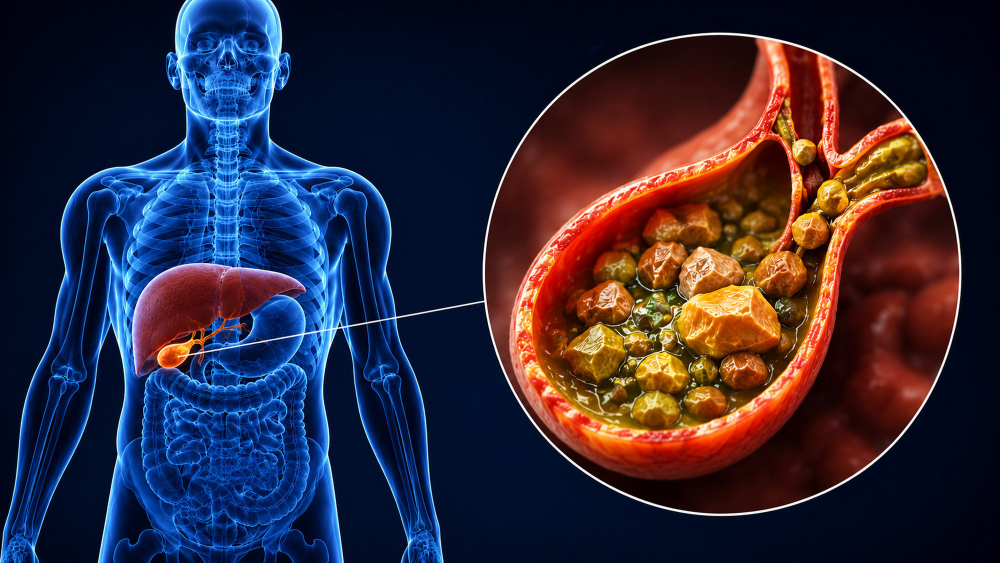
What Are Gallstones?
Gallstones are small, hard pieces that form in the gallbladder. The gallbladder is a small organ under your liver. It stores bile, which helps your body digest fat. Sometimes, bile can harden and turn into stones. These stones can be as small as a grain of sand or as big as a golf ball. Because gallstones are common, many people wonder if they always need surgery. In fact, some people may never know they have them.
Common Symptoms of Gallstones
Not everyone with gallstones has symptoms. However, when symptoms appear, they can be uncomfortable. For example, you might feel pain in the upper right side of your belly. This pain can come and go. In some cases, it may last for several hours. Other symptoms of gallstones include:
Because these symptoms can be caused by other problems, it is important to see a doctor for the right diagnosis.
Causes and Risk Factors
Gallstones form when the balance of substances in bile changes. For instance, too much cholesterol or bilirubin can lead to stone formation. Several factors can increase your risk of getting gallstones. These include:
Although anyone can get gallstones, some people are more likely to develop them due to these risk factors.
How Are Gallstones Diagnosed?
If you have symptoms of gallstones, your doctor will ask about your health and do a physical exam. Often, doctors use imaging tests to look for stones. For example, an ultrasound is a common way to see gallstones. Sometimes, other tests like CT scans or blood tests are needed. These tests help check for infection or problems with your liver or pancreas. Because early diagnosis is important, you should tell your doctor about any symptoms you notice.
Treatment Options for Gallstones
Treatment depends on your symptoms and the size of the stones. If you have no symptoms, you may not need treatment. However, if you have pain or other problems, your doctor will discuss options such as:
Because surgery is the most common treatment, many people worry about it. Yet, not everyone with gallstones needs surgery.
When Is Surgery Needed for Gallstones?
Surgery is usually needed if you have repeated pain or complications. For instance, if a stone blocks a duct or causes infection, surgery is often the best choice. Other reasons for gallbladder surgery include:
Although surgery is safe for most people, your doctor will help decide if it is right for you. In some cases, non-surgical treatment for gallstones may be possible.
Non-Surgical Management and Lifestyle Tips
For people without symptoms, doctors often suggest watchful waiting. This means you do not need treatment unless symptoms start. In addition, some people can try medications to dissolve stones, but this works slowly and only for certain types. To help manage gallstones without surgery, you can:
Because lifestyle changes can lower your risk of symptoms, they are important for many people.
Preventing Gallstones
While not all gallstones can be prevented, you can take steps to lower your risk. For example, you can:
Because prevention is easier than treatment, these steps can help keep your gallbladder healthy. If you have questions about gallstones or gallbladder surgery, talk to your healthcare provider.
Conclusion
If you have questions about gallstones or need advice on treatment, Dr. Deepa is here to help. Book a consultation today to discuss your options and get the care you need.