
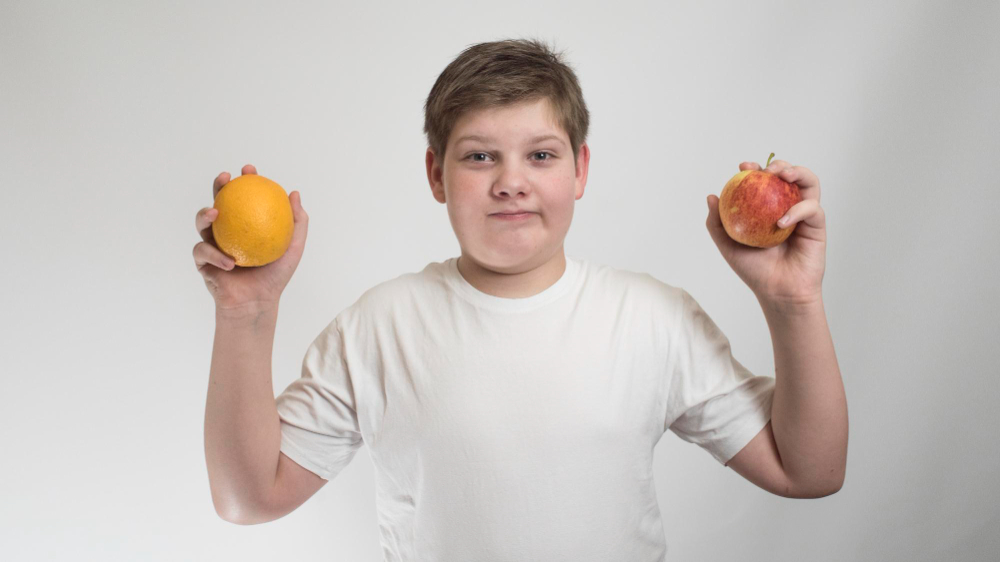
What Is Childhood Obesity?
Childhood obesity means a child has too much body fat for their age and height. In many places, this problem is growing fast. For example, the Centers for Disease Control and Prevention (CDC) reports that about 1 in 5 children in the United States are affected. Because of this, childhood obesity is now a major health concern worldwide. Early healthy habits can help prevent serious health problems later in life. When children learn good habits young, they are more likely to stay healthy as adults.
Common Symptoms and Signs
Often, childhood obesity is not just about weight. It can show up in many ways. For instance, some children may feel tired more often. Others might have trouble breathing during sleep. In addition, you may notice these signs:
Because these signs can be subtle, regular check-ups are important. Early detection helps families take action quickly.
Causes and Risk Factors
Many things can lead to childhood obesity. Sometimes, it is due to eating more calories than the body uses. However, other factors also play a role. For example, children who spend a lot of time watching screens may move less. Family habits and genetics can also increase risk. Some common risk factors include:
Because these risks can add up, it is important to address them early.
How Childhood Obesity Is Diagnosed
Doctors use growth charts to check a child’s weight and height. First, they measure the child’s body mass index (BMI). Then, they compare it to other children of the same age and sex. If the BMI is at or above the 95th percentile, a child is considered obese. Sometimes, doctors may order blood tests to check for related health issues. Early diagnosis helps families and doctors plan the best care. Regular health visits are key for tracking changes over time.
Effective Treatment Options
Treating childhood obesity involves the whole family. Often, small changes can make a big difference. For example, families can choose healthier meals together. Physical activity is also important. Doctors may suggest:
Sometimes, a doctor may refer a child to a dietitian or counselor. Support from schools and communities can also help children succeed.
Building Healthy Habits Early: Practical Tips for Families
Families play a key role in preventing childhood obesity. Because habits start at home, small steps matter. Here are some tips to help children build healthy habits early:
When families work together, children feel supported. Over time, these habits can lead to better health for everyone.
Prevention Strategies for Childhood Obesity
Preventing childhood obesity is easier than treating it. First, focus on healthy eating and regular movement. Next, make sure children get enough sleep. Schools and communities can support families by offering safe places to play and learn. The World Health Organization (WHO) suggests these prevention strategies:
Because every child is different, families may need to try several strategies. Consult Dr. Kailash Ch Deepa