
Introduction
Laparoscopic surgery is a modern way to treat many health problems. It uses small cuts and special tools. Because of this, patients often heal faster and feel less pain. Laparoscopic surgery offers advanced care with faster recovery. Many people choose this method for its safety and quick healing. In this blog, you will learn how this surgery works, its benefits, and what to expect.
What Is Laparoscopic Surgery?
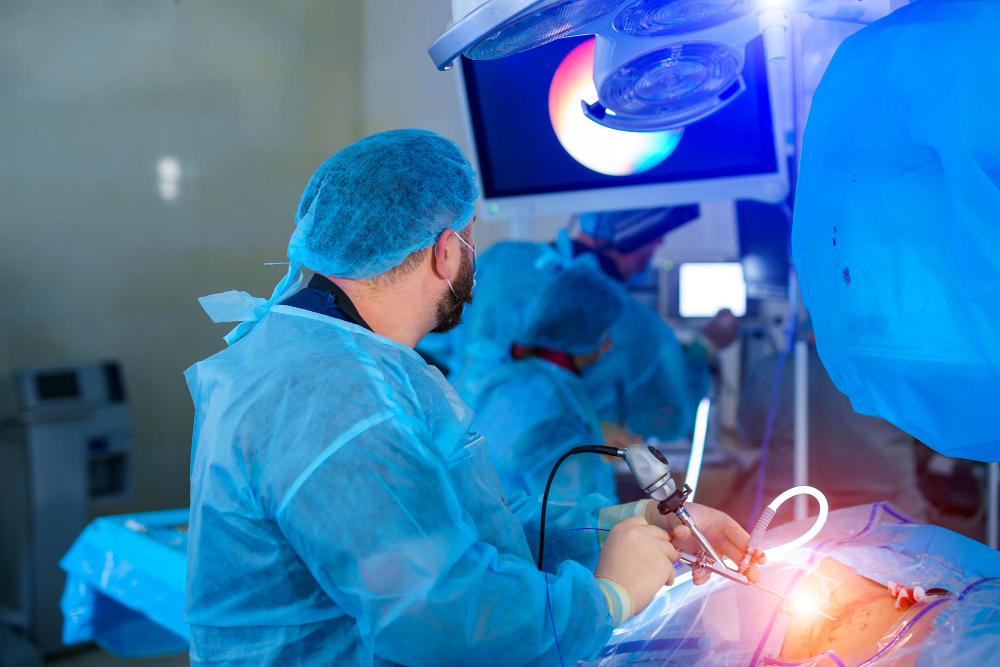
Laparoscopic surgery is also called minimally invasive surgery. Instead of one large cut, doctors make a few small cuts. Through these, they insert a thin tube with a camera, called a laparoscope. This camera lets the doctor see inside your body on a screen. Because the cuts are small, you usually heal faster.
How Does Laparoscopic Surgery Work?
First, the doctor makes tiny cuts in your skin. Next, they insert the laparoscope and other small tools. The camera sends clear images to a monitor. This helps the doctor perform the surgery with great care. Often, the doctor fills the area with gas to make more space. As a result, they can see and work better. After the surgery, the tools are removed, and the cuts are closed.
Key Benefits: Faster Recovery and Advanced Care
Laparoscopic surgery has many advantages over open surgery. For example, you may spend less time in the hospital. Also, you can return to normal activities sooner. Here are some key benefits:
Because of these benefits, many doctors recommend laparoscopic surgery when possible. According to the World Health Organization, minimally invasive surgery can reduce recovery time and improve patient comfort.
Common Conditions Treated With Laparoscopic Surgery
Doctors use laparoscopic surgery for many health issues. Some common conditions include:
Because this method is safe and effective, it is used for both simple and complex cases.
What to Expect: Before, During, and After Surgery
Before surgery, your doctor will explain the steps and answer your questions. You may need to stop eating or drinking for a short time. During surgery, you will receive anesthesia, so you will not feel pain. The doctor will use special tools to perform the procedure. After surgery, you may feel some discomfort, but this usually goes away quickly. Most people can go home within a day or two. However, your doctor will give you clear instructions for care at home.
Recovery Tips and Lifestyle Guidance
After laparoscopic surgery, you can help your body heal by following these tips:
Because recovery is often quick, you may return to daily activities sooner. Still, always follow your doctor’s advice for the best results.
Risks and Safety Considerations
Laparoscopic surgery is generally safe. However, like any surgery, it has some risks. These may include:
Even though these risks are low, it is important to discuss them with your doctor. The Centers for Disease Control and Prevention (CDC) notes that minimally invasive surgery often has fewer risks than open surgery.
Prevention and When to Consult a Surgeon
While you cannot always prevent the need for surgery, healthy habits can lower your risk of some conditions. For example, eating a balanced diet and staying active can help. If you have pain, swelling, or other symptoms, see your doctor. Early care can prevent problems from getting worse. If your doctor suggests laparoscopic surgery, ask about the benefits and risks. This way, you can make an informed choice.
For personalized guidance on laparoscopic surgery and recovery, consult a specialist Dr. Kailash Ch Deepa he can help you decide the best care for your needs.