
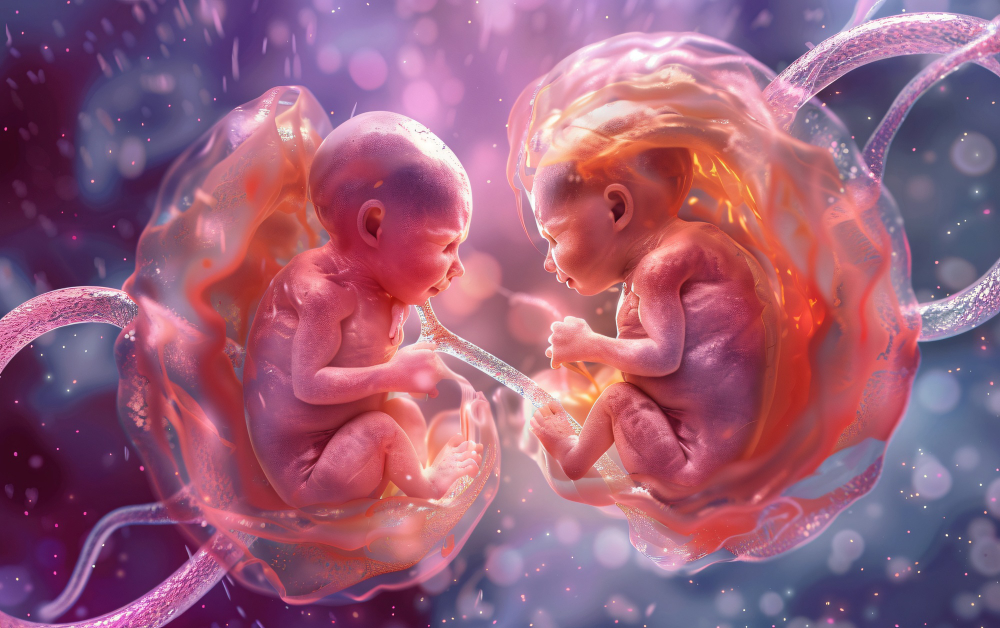
What Is a Twin Pregnancy?
When a woman carries two babies at the same time, it is called a twin pregnancy. This type of pregnancy is less common than carrying one baby. However, it is becoming more frequent due to fertility treatments and older maternal age. In a twin pregnancy, both babies grow together in the womb. Sometimes, twins share a placenta, while other times, each baby has its own. Because of this, care for twin pregnancy is different and needs more attention from healthcare providers.
Common Symptoms and Early Signs of Twin Pregnancy
Many women wonder if they are expecting twins. Although every pregnancy is unique, some early signs may suggest a twin pregnancy. For example, you may notice symptoms sooner or feel them more strongly. Common signs include:
Still, only a doctor can confirm if you are carrying twins. Not all women with these symptoms have a twin pregnancy. On the other hand, some women have no extra symptoms at all.
Unique Health Risks and Complications in Twin Pregnancies
Because twin pregnancies are different, they come with higher risks. According to the CDC, women with twins are more likely to face certain health issues. For instance, these may include:
Moreover, twins may need special care after birth. While these risks sound scary, many women have healthy twin pregnancies with the right care.
Diagnosis: How Twin Pregnancies Are Detected
Doctors use several ways to detect a twin pregnancy. Usually, an early ultrasound scan shows two babies in the womb. Sometimes, a blood test may suggest higher hormone levels, which can be a clue. However, only an ultrasound can confirm twins. In some cases, a doctor may hear two heartbeats during a check-up. Early diagnosis helps doctors plan the best care for you and your babies.
Essential Prenatal Care for Twin Pregnancies
Because twin pregnancy needs double the care, regular doctor visits are very important. Your healthcare provider will likely schedule more check-ups than for a single baby. During these visits, doctors check your blood pressure, weight, and the babies’ growth. They may also order extra ultrasounds. In addition, you may need more blood tests. All of this helps catch problems early. Following your doctor’s advice is key to a healthy pregnancy.
Nutrition and Lifestyle Tips for Expecting Twins
Eating well is vital for twin pregnancy nutrition. Since your body works harder, you need more calories, protein, and vitamins. For example, you should:
Furthermore, gentle exercise like walking or swimming can help. Always check with your doctor before starting any new activity. Good sleep and stress management are also important for you and your babies.
Preventing Complications: What Parents Should Know
Although twin pregnancies have higher risks, many problems can be managed or prevented. For example, you can:
Because every pregnancy is different, your care plan may change over time. With close monitoring and healthy habits, many parents manage twin pregnancy safely. Reliable sources like the CDC and WHO recommend these steps to help reduce risks of twin pregnancy and improve outcomes for both mother and babies.