
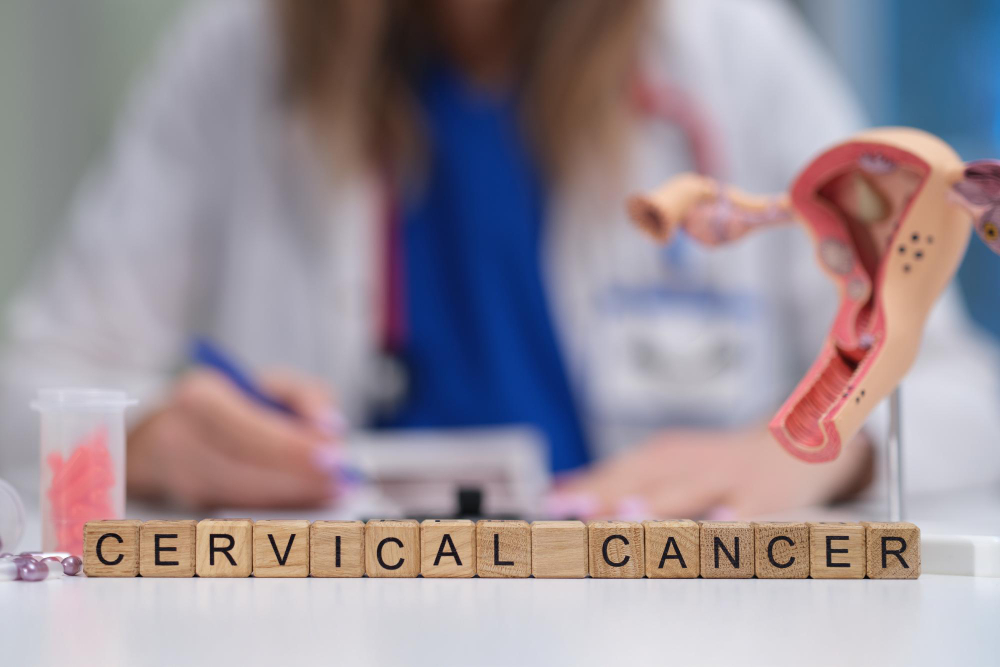
What is Cervical Cancer?
Cervical cancer starts in the cells of the cervix. The cervix is the lower part of the uterus that connects to the vagina. This cancer often grows slowly. Because of this, regular screening can help find changes early. Early detection gives the best chance for successful treatment. According to the World Health Organization (WHO), cervical cancer is one of the most common cancers in women worldwide.
Why is Screening Important?
Screening helps find cervical cancer before symptoms appear. In many cases, early changes in the cervix can be treated before they turn into cancer. For this reason, screening saves lives. It also lowers the risk of advanced disease. Regular screening is a key part of women’s health care. The Centers for Disease Control and Prevention (CDC) recommends routine screening for most women.
Early Detection: How It Saves Lives
When cervical cancer is found early, treatment is more likely to work. Early detection often means less aggressive treatment and better outcomes. In fact, many women who catch cervical cancer early can be cured. On the other hand, late-stage cancer is harder to treat. Therefore, regular screening is very important for all women.
Common Screening Methods
There are two main tests used to screen for cervical cancer. Both tests are simple and quick. Your doctor can help you decide which test is right for you.
Screening guidelines may vary by country. For example, the CDC and WHO both recommend starting screening at age 21.
Who Should Get Screened and When?
Screening is important for most women. However, the timing and type of test may depend on your age and health history. Here are general guidelines:
If you have had a hysterectomy or other health issues, talk to your doctor about your needs. Some women may need more frequent tests.
Symptoms to Watch For
Often, cervical cancer does not cause symptoms in the early stages. That is why screening is so important. However, as the cancer grows, you may notice:
If you notice any of these symptoms, see a healthcare provider right away. Early action can make a big difference.
Prevention Tips and Lifestyle Guidance
While screening is key, there are other ways to lower your risk of cervical cancer. Here are some helpful tips:
By following these steps, you can help protect your health.
Frequently Asked Questions
In summary, cervical cancer screening and early detection are vital for women’s health. Regular tests can save lives. Consult Dr. Kailash Ch Deepa for personalized screening advice.